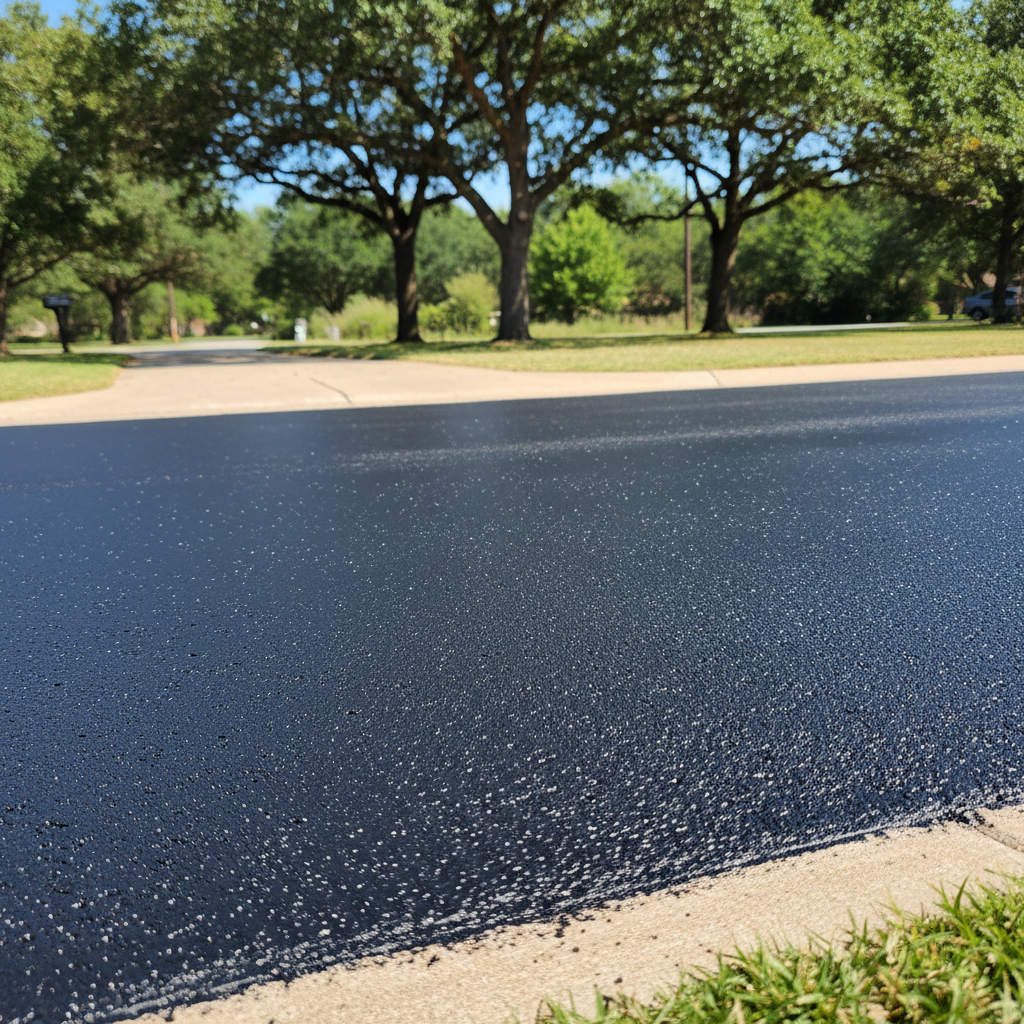
Thinking About Sealcoating Your Driveway?
So, you're looking at your asphalt driveway and wondering if it's time for a sealcoat. Good thinking. A fresh coat of sealer doesn't just make your driveway look sharp; it protects your investment from the harsh Texas sun, oil spills, and general wear and tear. But should you grab a bucket and roller, or pick up the phone? Let's break it down.
Before You Start: Prep is Key
Whether you're doing it yourself or hiring someone, the prep work is critical. You can't just slap sealer over dirt and cracks and expect it to last. This part, honestly, you can probably handle yourself for the most part, especially if your driveway is in decent shape.
- Clean it up: First things first, get that driveway clean. Sweep off all the loose dirt, leaves, and debris. Then, power wash it. You want to get rid of any grime, oil spots, or mildew. Make sure it's completely dry before you even think about applying sealer.
- Tackle those cracks: Small cracks? You can fill those yourself with an asphalt crack filler you can get at any hardware store. Follow the directions on the product. For bigger cracks, wider than about a quarter-inch, or any significant potholes, that's where you might want to pause. Filling those properly takes a bit more know-how to ensure they don't just open up again. If you've got a lot of spiderweb cracking or alligator cracking, that's a sign of a deeper issue, and sealcoating alone won't fix it.
- Edging: This is simple but important. Use painter's tape or a brush to create a clean edge where your driveway meets your lawn or concrete. You don't want sealer all over your grass or sidewalk.
One thing I've seen around New Braunfels, especially in some of the older neighborhoods with big oak trees, is a lot of sap and leaf stains. Make sure you really scrub those areas clean; otherwise, the sealer won't adhere right.
During the Project: DIY vs. Pro
Alright, the driveway's clean and patched up. Now for the actual sealcoating. This is where the DIY vs. pro decision really comes into play.
Doing It Yourself:
If your driveway is relatively small, in good condition, and you're comfortable with a bit of manual labor, DIY sealcoating is definitely an option. You'll need a good quality asphalt sealer (don't cheap out here, it's not worth it), a squeegee, and a brush for edges. The process is pretty straightforward: pour out the sealer and spread it evenly. The trick is to get a consistent, thin coat. Most products recommend two thin coats rather than one thick one. Read the instructions on your specific sealer carefully for drying times between coats and before driving on it.
The biggest challenge for DIYers is often getting an even application without streaks or puddles. It also takes a surprising amount of time and effort, especially on a hot day. And remember, once you start, you can't really stop halfway through a section without it showing.
Calling a Pro:
When should you definitely call someone like Ace Paving Co? If your driveway is large, has extensive cracking, significant oil stains, or if you just don't have the time or desire to do it yourself. Here's why a professional often makes sense:
- Experience: We've done hundreds of driveways. We know how to get an even, professional-looking finish.
- Equipment: We use commercial-grade sealers and application equipment that you can't just buy at Home Depot. This often means a more durable and longer-lasting result.
- Repairs: If your driveway needs more than just simple crack filling – maybe some asphalt patching or leveling – a pro can handle those repairs correctly before sealing.
- Time and hassle: It saves you a weekend of back-breaking work and ensures the job gets done right the first time.
After the Sealcoat: Patience is a Virtue
Once the sealer is down, the most important thing you can do is leave it alone. Seriously. Most sealers need at least 24-48 hours to cure before you can walk on them, and even longer – 48-72 hours, sometimes more depending on the humidity and temperature – before you can drive on them. Driving on it too soon is the quickest way to ruin your fresh sealcoat and leave tire marks.
Keep an eye on the weather forecast. You don't want rain hitting your freshly applied sealer. That's another reason why pros often have an advantage; we can schedule around the weather better and work efficiently to get the job done before a pop-up shower hits.
After it's cured, you'll have a beautiful, protected driveway that will last you for years. Typically, you'll want to re-seal every 2-3 years, depending on traffic and how much sun it gets. Regular maintenance like this will extend the life of your asphalt significantly and keep it looking great.
The Bottom Line
DIY sealcoating is doable for smaller, well-maintained driveways if you're up for the work. But for larger projects, driveways with more significant damage, or if you just want the best possible result without the headache, bringing in a local professional like us at Ace Paving Co is usually the smarter move. Either way, taking care of your asphalt is always a good idea.