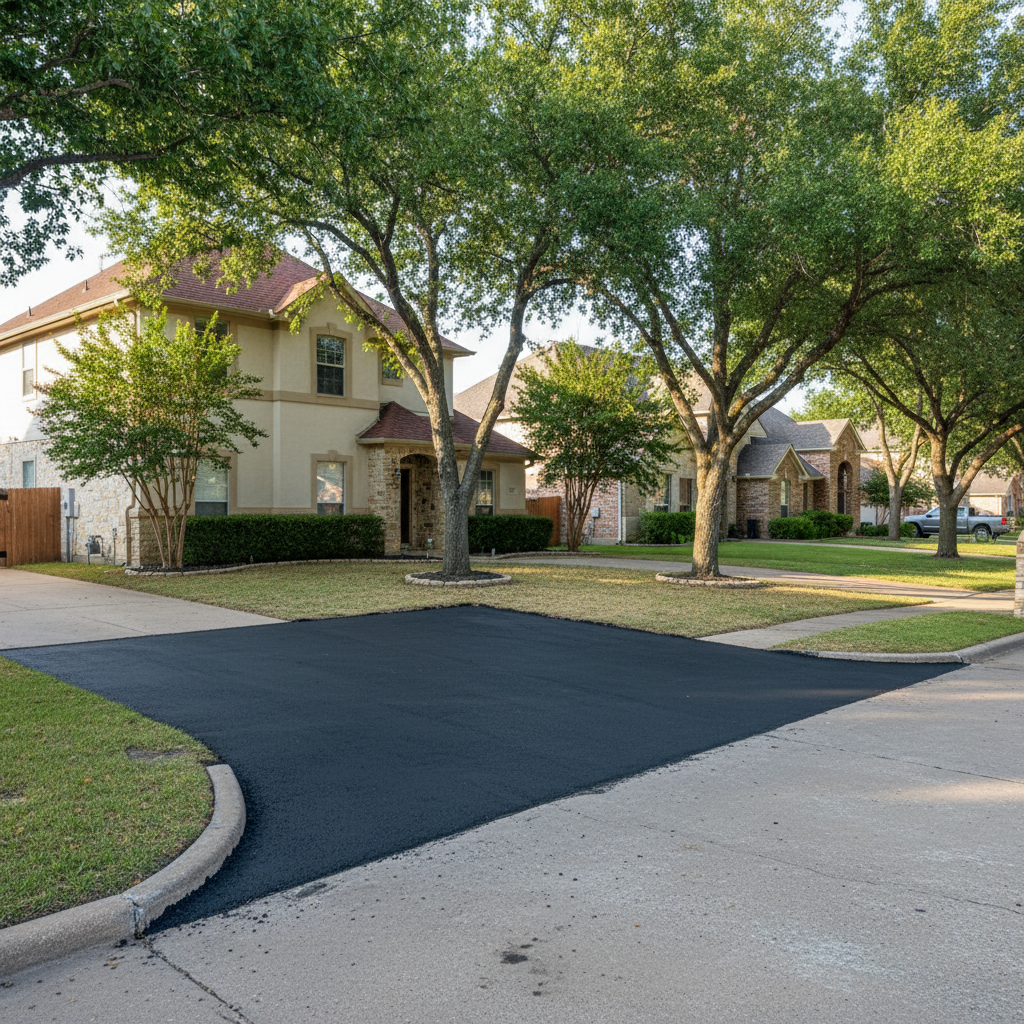
Got cracks or potholes showing up on your drive, parking lot, or private road? It's a common sight around New Braunfels, especially after a rough winter or a particularly wet spring. Most folks see a crack and think, "Eh, I'll get to it later." But that's where the trouble starts. Ignoring those small issues is like ignoring a leaky faucet – it only gets worse, and usually, a lot more expensive.
Why Patching Isn't Just a Quick Fix
Look, patching isn't just about making your asphalt look pretty again. It's about protecting your investment. Think about it: water is the enemy of asphalt. Once it gets into those tiny cracks, especially with our clay-heavy soil around here, it starts doing real damage. It seeps down, weakens the base, and then when the temperatures drop, that water freezes, expands, and boom – you've got a pothole. Even without a hard freeze, constant moisture penetration will erode the sub-base, leading to more cracking and eventual failure of the pavement.
I've seen it time and again in neighborhoods like John Newcombe Estate or even older parts of town where the original paving is decades old. A small crack turns into a spiderweb, then a pothole, and before you know it, you're looking at needing a full-blown overlay or even a complete tear-out and repave. That's a whole different ballgame budget-wise.
Common Patching Methods We Use
When it comes to patching, there isn't a one-size-fits-all solution. The right method depends on the type of damage, how deep it goes, and what kind of traffic the area sees. Here are a few common approaches we use:
- Pothole Repair (Cut and Patch): This is your go-to for isolated potholes. We cut out the damaged section, square it off neatly, clean out all the debris, and then fill it with new hot asphalt. We compact it thoroughly, making sure it's level with the existing surface. This creates a strong, seamless repair that'll last.
- Skin Patching: Sometimes, you've got shallow, widespread cracking or minor depressions. For these, we might use a skin patch. This involves applying a layer of hot asphalt directly over the damaged area and compacting it. It's quicker and more cost-effective for surface-level issues, but it's not for deep structural problems. You wouldn't use this on a heavily trafficked commercial lot, for example.
- Infrared Patching: This is a pretty neat technique. We use an infrared heater to soften the existing asphalt around the damaged area. Then, we rake it, add some fresh asphalt mix, and re-compact it. It creates a thermal bond with the old pavement, making for a very durable, seamless repair. It's great for smaller areas and can be done pretty efficiently.
- Crack Sealing: This isn't exactly patching, but it's crucial for preventing bigger problems. We clean out cracks and fill them with a hot, rubberized sealant. This stops water from getting in and causing those bigger issues we talked about. It's preventative maintenance, and it's probably the cheapest insurance you can get for your asphalt.
Why Local Expertise Matters for Asphalt Patching
You might think asphalt is asphalt, no matter where you are. But that's not really true, especially not here in New Braunfels. Our local conditions play a huge role in how asphalt behaves and how long a repair will last. We deal with:
- Expansive Clay Soils: Many areas, especially south of town towards Seguin, have pretty active clay soils. These soils expand and contract with moisture changes, putting a lot of stress on pavement. Knowing how to properly prepare the base and account for this movement is critical for a lasting patch.
- Texas Heat: Our summers are brutal. High temperatures can make asphalt more pliable, which can be a good thing during installation, but it also means you need the right mix and compaction to prevent rutting and deformation under heavy loads.
- Flash Floods and Heavy Rains: We get downpours that can quickly undermine a poorly done patch. Proper drainage considerations and robust compaction are non-negotiable.
When you hire a local outfit like Ace Paving Co, you're not just getting someone who knows how to lay asphalt. You're getting someone who understands these specific challenges. We've been working on everything from residential driveways in River Chase to commercial parking lots off I-35 for years. We know what works and what doesn't in this climate and with our local soil conditions. We're not guessing; we're applying proven methods that hold up under the Texas sun and rain.
So, if you've got a pothole or some cracks starting to show, don't wait until it's a major headache. Get it looked at. A timely, professional patch can save you a bundle and keep your asphalt looking good and functioning properly for years to come.